 Open 7:30 AM – 5:00 PM MON-FRI
 Located in the Montavilla Neighborhood 707 SE 82ND AVE. PORTLAND, OR 97216
 503-254-7310
Vehicle Inspections in Portland
A Multi-Point Check With an Oil Change Is Not an Inspection
Quick Takeaways
- A multi-point check is not an inspection: it does not cover everything your car needs looked at for performance and safety.
- A full inspection suits 15,000 to 20,000 miles: that is where wear items start telling you something useful.
- Time underneath beats a test drive: the items that decide the next two years are not things you can feel from the driver’s seat.
- DEQ is a separate thing: Oregon tests emissions inside the Portland boundary. That is not a mechanical inspection.
- Tires are where inspections earn their money: a pressure light comes on late, and tread wear that does not match the odometer tells you something the odometer will not.
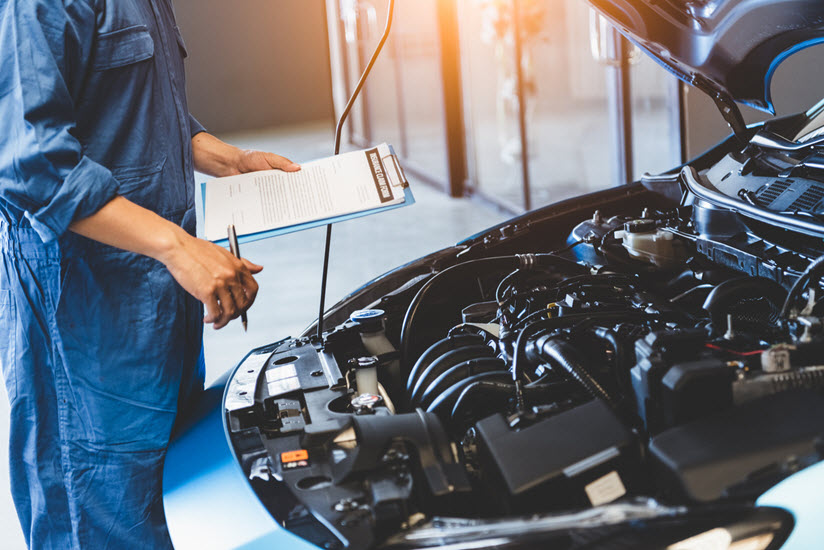
There is a reason the multi-point that comes with a full-service oil change feels reassuring and then something fails anyway. It is a quick visual sweep, done in the time the oil drains, by someone who is not under the car with the wheels off. That has value. It is also not a proper look underneath. A real inspection covers brake material thickness, suspension play, fluid condition, tire wear pattern, undercarriage corrosion and stored fault codes — the things that give months of warning if somebody goes looking for them.
We Service the Following Brands
At A&P Specialties we provide a distinct and wide variety of services for the following brands:
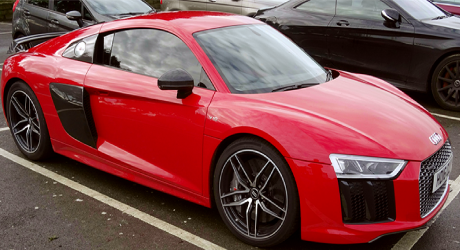
Audi
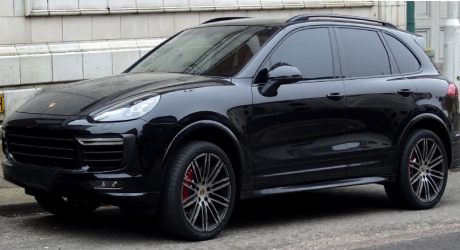
Porsche
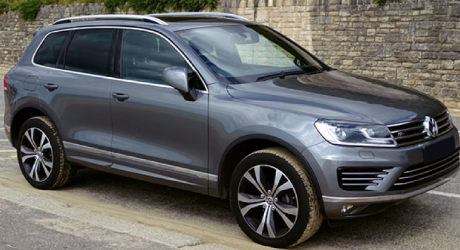
Volkswagen
Oregon Tests Your Emissions, Not Your Brakes
This trips up people who move here. Inside the Portland boundary, Oregon DEQ requires emissions testing for 1975-and-newer gasoline, hybrid and alternative-fuel vehicles, and for 1975-and-newer light-duty diesels rated at 8,500 pounds or less, with vehicles from roughly the last four model years exempt. That is an air-quality program. Passing it means your tailpipe met a standard on the day it was tested, and nothing more — it says nothing about whether your control arm bushings are shot, your rotors are at minimum, or your brake fluid has taken on three winters of moisture. Different test, different question.
→ diagnostic scan and fault code testing
The Mileage Band Where an Inspection Earns Its Money
Inspections are usually recommended at mileage intervals — 15,000, 20,000 miles and so on — and the logic is simple. That is roughly the cadence at which wear items move from “fine” to “measurable” without yet being “broken.” Catching a bushing with play, a rotor near its minimum or a boot starting to split at that stage is a planned repair. Missing it makes the same repair an unplanned one, usually on a wet Tuesday.
→ fluid inspection and replacement
What an Inspection Finds That a Test Drive Cannot
A test drive tells you how a car feels on a dry road for as long as you are in it. It will not show you corrosion along a subframe, a weeping seal that has not started dripping, suspension play you have already adapted to, or brake material measured rather than guessed at. Those live underneath, and they are the items that decide what the next two years cost. Tire wear is the giveaway that ties it together — a tread pattern that does not match the odometer is telling you something the odometer will not.
→ Porsche specialists in Portland
Tires and Lights Are What Inspections Catch First
Tires are the easiest thing on the car to check and among the easiest to leave alone — 511 people died in tire-related crashes in 2024, and only 19% of drivers keep their tires properly inflated. A pressure warning light does not come on early. It triggers well after a tire has started running soft, which is why a gauge once a month beats waiting for the dash. Lights are the other one. Dim, yellowed or mismatched headlamps turn up in an inspection and get missed by everybody else, including the owner, because the decline happens a little at a time.
The Conversation Afterwards Is the Point
An inspection that hands you twenty items and no context is not much use. The useful part is talking it through — what needs doing now, what can wait for the next service, and what is simply worth knowing about so it does not surprise you in a year. You decide what gets fixed. Sean, the shop’s service manager, has been here since 2021 and is usually the one who walks through it with you.
Frequently Asked Questions
What does a vehicle inspection actually check?
The wear items, measured rather than glanced at — pad and rotor thickness against their minimums, play in the suspension joints, fluid condition, the tire wear pattern, undercarriage condition, and whatever the car has stored in memory since its last visit.
Is a vehicle inspection the same as a DEQ test?
No. DEQ is an emissions test required for registration inside the Portland boundary, and it looks at what comes out of the tailpipe. A mechanical inspection looks at the condition of the car. Two different questions.
How often should my car be inspected?
A full inspection suits roughly every 15,000 to 20,000 miles, or annually if you cover less than that. Cars kept in storage or driven only at weekends should go by the calendar instead.
Does the multi-point check with my oil change cover everything?
No. It is a quick look, useful for spotting the obvious, and it is not the same as measuring wear items against their limits with the car in the air.
What comes back after an inspection?
A list of what was found, sorted by urgency, and a conversation about it. You decide what gets done and in what order.
Book an Inspection in Portland
Know what the car needs before it decides to tell you. A & P Specialties is at 707 SE 82nd Ave in Montavilla, a RepairPal Certified shop with ASE Certified technicians, working on Audi, Porsche and Volkswagen for drivers across
Say what you have noticed and what you have not, and the inspection starts from there.