 Open 7:30 AM – 5:00 PM MON-FRI
 Located in the Montavilla Neighborhood 707 SE 82ND AVE. PORTLAND, OR 97216
 503-254-7310
Transmission Repair in Portland
Fluid and Filter Work Is What Keeps the Big Bill Away
Quick Takeaways
- Fluid usually gets changed between 30,000 and 60,000 miles: your manual has the figure for your model.
- “Sealed for life” is a design claim, not a maintenance plan: heat degrades fluid whether a dipstick exists or not.
- Delayed engagement is the early warning: a pause after you select drive, before anything slips.
- A burning smell means stop: that is overheated fluid and it needs looking at now.
- The differential runs its own fluid: on its own schedule, separate from the transmission.
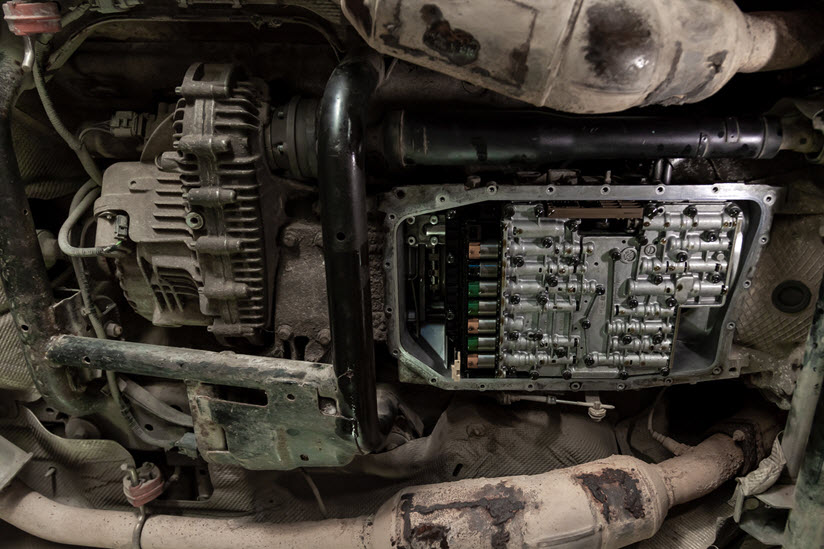
Transmissions rarely fail suddenly. They give warning for months, and the warnings are subtle enough to normalize — a slightly longer pause before the car engages, a shift that is a little firmer than it used to be, a whine you only hear with the radio off. Then one day it is obvious. By that point the affordable window has usually closed, which is the entire argument for treating transmission fluid as scheduled maintenance rather than as a repair you get around to once something has already gone wrong.
Brands We Service
A&P Specialties offers complete transmission service maintenance for diverse vehicle types. Our experienced personnel maintain transmission integrity for vehicles across all luxury and day-to-day models. We service:
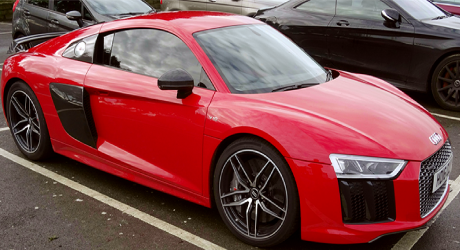
Audi
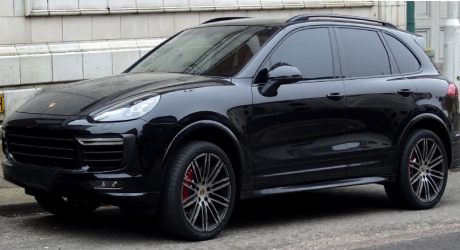
Porsche
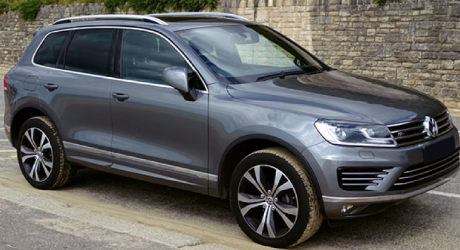
Volkswagen
Each of our technicians specializes in both domestic and foreign vehicle maintenance that ensures your car gets exactly the advanced care it requires.
Heat Is What Actually Kills Transmission Fluid
Fluid does not wear out from being pumped around. It degrades from heat. Heat comes from load — towing, hills, stop-start traffic, and the constant low-speed shifting that makes up an ordinary commute between Montavilla and anywhere worth driving to at rush hour. Fresh fluid cuts both the heat generated and the friction damage that follows. Most manufacturers specify a change somewhere between 30,000 and 60,000 miles, and a car living in city traffic belongs at the short end of that range.
The Symptoms, Ranked by How Soon to Call
Slipping gears — the car drops out of gear on its own, or takes too long to complete a shift — is the one to act on immediately. Burning smell next. That is fluid running hotter than it was ever designed to, and it does not recover on its own. Then delayed engagement, where you select drive and there is a beat before anything happens. Clunking, whining or humming during shifts, and any fluid on the ground, round out the list. Note when it happens: cold, warm, uphill, in traffic. That one detail narrows the diagnosis considerably.
The Differential Is the Part of the Driveline Nobody Books
Every vehicle has one. Its job is to let the two wheels on an axle turn at different speeds — which happens constantly, and most obviously in a turn, where the outside wheel has further to travel than the inside one and has to move faster to cover it. Without a differential your tires would hop and skip through every corner and lose traction in snow. Its fluid is separate from the transmission’s, and so is its interval.
All-Wheel Drive Adds Components and Adds Service Points
Drive all four wheels and there is simply more of the driveline to look after. An all-wheel-drive Audi or Volkswagen adds a rear final drive with its own fluid, plus the hardware that splits drive front to rear — which differs by model, and on some cars shares the transmission fluid rather than carrying its own. Some of the larger SUVs add a transfer case on top of that. Either way it is the configuration most likely to hide a developing fault, because there is always another driven axle covering for the one with the problem. The federal energy accounting puts it in perspective: only about 12% to 30% of the energy in your fuel actually moves the car, with the rest lost to engine and driveline inefficiency or spent running accessories. The driveline is one of the places that gap is made, and a neglected one widens it.
A Slip Has Several Possible Causes and Several Different Prices
Symptoms alone will not tell you whether a transmission needs a service, a repair, or something far larger. They overlap too much — a slip can come from low fluid, from a failing solenoid, or from genuine internal wear, and those are three very different conversations with three very different numbers attached. So nothing gets quoted off a description. The car goes on a lift and out on a road test first. Anyone willing to price major internal work off a phone description is guessing with your money.
Frequently Asked Questions
How often should transmission fluid be changed?
Manufacturers generally specify somewhere between 30,000 and 60,000 miles. Check your owner’s manual for your model, or ask us and we will confirm the interval for your car.
What are the signs of a transmission problem?
Slipping gears, delayed engagement after selecting drive, clunking or whining during shifts, a burning smell, or fluid leaking underneath the car.
Can I drive with a transmission problem?
It is not a good idea. An unexpected lag or jerk in acceleration is a safety risk in traffic, and continuing to drive generally makes the eventual repair larger.
Does my transmission need service if it is sealed?
A sealed unit has no dipstick, but the fluid inside still degrades with heat. It can be serviced, and on a car in city traffic it should be.
Can you tell what is wrong from the symptoms alone?
No. A slip can come from low fluid, a failing solenoid or genuine internal wear, and only an inspection and a road test separate them — which is what decides the size of the job.
Book a Transmission Inspection in Portland
A pause before the car engages is worth an appointment. A slip is worth an urgent one. A & P Specialties is at 707 SE 82nd Ave in Montavilla, working on Audi, Porsche and Volkswagen for drivers in
Note whether it slips cold or warm and tell us when you book.