 Open 7:30 AM – 5:00 PM MON-FRI
 Located in the Montavilla Neighborhood 707 SE 82ND AVE. PORTLAND, OR 97216
 503-254-7310
Oil Change Service in Portland
The Specification on the Bottle Matters More Than the Sticker Date
Quick Takeaways
- Every 3,000 to 7,500 miles: the range depends on oil type, your model and how you drive.
- Grade is worth 1–2% of your fuel economy: that is a federal figure, not a shop opinion.
- Short trips are severe service: a four-mile commute never gets the oil hot enough to boil off moisture.
- Oil cools as well as lubricates: it carries heat away from components a radiator never touches.
- Check the level between changes: some of these engines use oil normally, and low is worse than old.
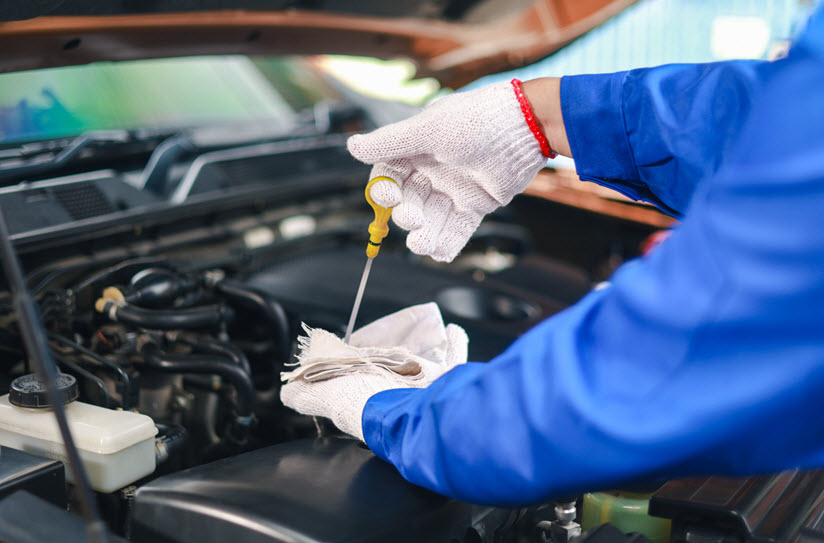
Quick-lube shops sell speed. That suits a lot of cars and suits German ones badly, because an Audi, Porsche or Volkswagen engine is built around a manufacturer oil approval rather than a viscosity number alone — the additive chemistry is part of the engineering. Put a generic oil of the right thickness into an engine that wanted a specific approval and it will run fine. It will simply wear differently from the way its designers intended. You will not find out for four years.
We Service the Following Brands
At A&P Specialties we provide a distinct and wide variety of services for the following brands:

Audi

Porsche
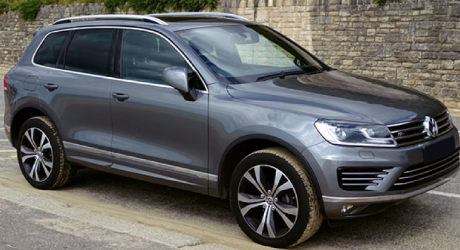
Volkswagen
The Wrong Grade Costs Measurable Money
This is one of the few maintenance claims with a published federal figure behind it rather than a shop opinion. The Department of Energy puts it plainly: using the manufacturer’s recommended grade of motor oil improves fuel economy by 1% to 2%, and running 10W-30 where 5W-30 was specified lowers gas mileage by the same amount. One to two percent sounds small until you annualize it. And fuel economy is the mild consequence — the meaningful one is that oil designed for a different engine protects yours less well at the temperatures it actually sees.
→ preventative maintenance schedule
Portland Commuting Is Severe Service Without the Label
Manufacturers publish two schedules, normal and severe, and most Portland drivers are on the second without realizing it. Severe means short trips, stop-start traffic, cold starts, a lot of idling. Four miles across town, twice a day, is exactly that. The engine never fully reaches operating temperature, moisture and fuel dilution stay in the oil instead of evaporating off, and the oil ages by the calendar rather than the odometer. Use the short end.
→ oil consumption and engine repair
Oil Does Four Jobs, and Only One of Them Is Lubrication
It lubricates, yes. It also carries heat away from the pistons and bearings, cleans the engine by picking up combustion by-products and carrying them to the filter, and seals the small gap between ring and bore. Old oil is worse at all four simultaneously. That is why the failure mode of neglected oil is not gradual friction — it is sludge, which blocks the narrow passages that feed oil to the places that need it most, and then everything fails at once.
Some of These Engines Use Oil, and That Is Not Automatically a Fault
Certain Audi, Porsche and Volkswagen engines consume a measurable amount of oil between services by design, and an owner coming from a Japanese car finds that alarming. It usually is not. What is alarming is not checking. A car that quietly drops below the minimum mark two months into a 7,500-mile interval is at far greater risk than one running oil that is merely old. Pull the dipstick or read the electronic gauge once a month and know your car’s normal rate.
What We Do While the Car Is Already on the Lift
An oil service is the cheapest chance all year to get eyes underneath the car. The wheels are off the ground, the underside is lit, and anything weeping, split or worn is visible without booking a second appointment. Ask for it. If something turns up you will hear what it is and why it matters, and the decision about what happens next stays yours.
Frequently Asked Questions
How often should I change the oil in my Audi, Porsche or Volkswagen?
Generally every 3,000 to 7,500 miles depending on whether you run conventional or synthetic oil, your model, and your driving. Check your owner’s manual, and shorten it for mostly short trips.
Does it matter which oil my European car gets?
Yes. These engines are built around a manufacturer approval specification, not just a viscosity number, and the additive package is part of the design. We match the oil to the car.
What happens if I skip oil changes?
Engine wear, overheating, sludge buildup and reduced efficiency. Sludge is the serious one because it blocks the passages that deliver oil where it is needed.
What tells me the oil is due?
The mileage or time interval, the oil or service light on the dashboard, or checking the level and condition yourself on the dipstick.
Is my car burning oil or leaking it?
A leak leaves evidence — a film on components, a smell of hot oil, sometimes a drip. Consumption leaves none. We can tell you which after a look on a lift.
Book an Oil Service in Portland
The right oil in it. A proper look underneath while the car is up. Same corner since 1985 — 707 SE 82nd Ave, Portland, in Montavilla — ASE Certified technicians and a RepairPal Certified shop, serving
as well as the city. Have the model year handy when you book — the oil approval depends on it.