 Open 7:30 AM – 5:00 PM MON-FRI
 Located in the Montavilla Neighborhood 707 SE 82ND AVE. PORTLAND, OR 97216
 503-254-7310
Suspension Repair in Portland
A Loose-Feeling Car Is Telling You Something Measurable
Quick Takeaways
- Shocks fail gradually, which is why nobody notices: there is no day the ride stops being good.
- Bushings and ball joints wear alongside the struts: replacing one and not the other leaves the car still wandering.
- Uneven tire wear is the evidence: feathering or one scrubbed shoulder points at geometry, not at the tire.
- A wet strut body ends the argument: anything leaking its own fluid is finished, whatever the mileage says.
- Shocks and struts: somewhere between 50,000 and 100,000 miles under normal driving.
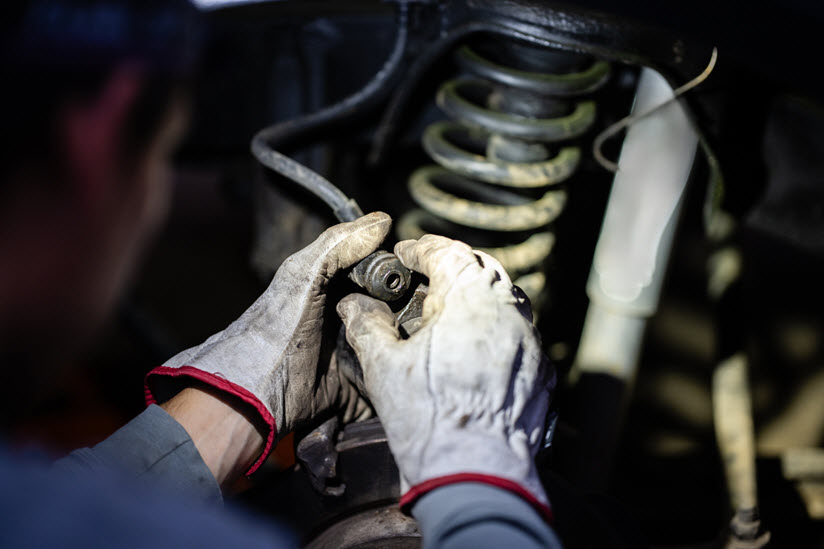
Portland pavement is relentlessly uneven, which over a decade does more damage than the occasional bad road would — grooved and patched sections along 82nd, expansion joints on the Banfield, and a winter’s worth of standing water sitting in every seam until the edges break down. The car stops feeling planted a little at a time. That is the problem. A fault that arrives slowly enough gets absorbed into what you think normal is, and the giveaway is usually a small steering correction every few seconds that you have stopped noticing you make.
Brands We Service
A&P Specialties provides specialized vehicle maintenance services that cover every major car brand, ensuring full professional service across all models. Our suspension maintenance services are available for:
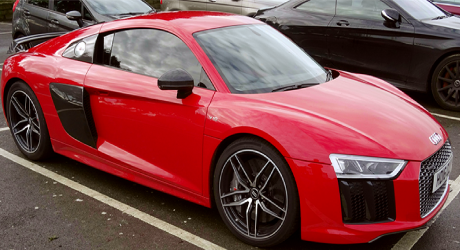
Audi
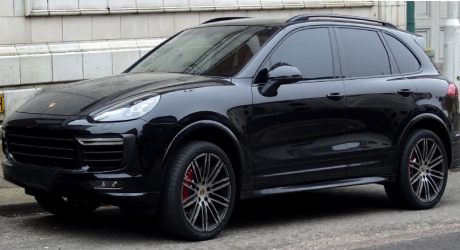
Porsche
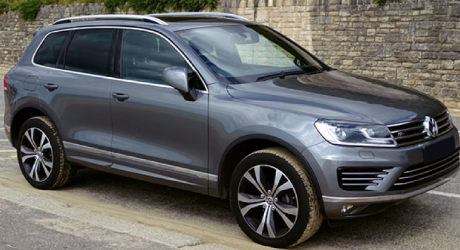
Volkswagen
We provide certified professionals who excel at servicing both domestic and foreign vehicle suspensions, so you can be confident about the thoroughness of your suspension care.
Shocks Wear Out Without Ever Announcing It
There is no moment when a shock absorber goes from good to bad, which is why the diagnosis has to be physical rather than perceptual. First check is visual. If a strut body is wet with its own fluid, it is finished — no further argument required. After that it is bounce testing, a look at the top mounts and the bushings that locate everything, and a road test with somebody who drives these three marques every day.
The Symptoms Worth Booking On
Excessive bouncing after a bump. The nose diving hard under braking, or the back squatting under acceleration. A pull to one side that was not there last year. Vague steering. And uneven tire wear — feathering across the tread, or one shoulder scrubbed down to the wear bars while the rest of the tire still looks close to new. That last one is the most useful of the lot, because it is evidence rather than impression, and it almost always means alignment or a worn component has been letting the geometry move around under load.
Tires Pay the Price for Everything the Suspension Gets Wrong
Worn suspension components eat tires, and tires on an Audi, Porsche or Volkswagen are not a cheap consumable. Worth knowing what rides on it: tire-related crashes killed 511 people in 2024, and fewer than a fifth of drivers — 19% — keep their tires at the right pressure. Contact patch is the whole game — everything your brakes and steering can do depends on four rectangles of rubber staying flat on wet pavement. A suspension that lets them tilt under load costs you both grip and tread.
Steering Complaints Split Two Ways
Stiffness or unresponsiveness at the wheel points at either the power steering system or the suspension, and the two get confused constantly. Hydraulic systems accumulate moisture in the fluid over years, which dulls steering feel and quietly corrodes components from the inside out; a proper flush and refill with fresh fluid fixes that. Suspension-side stiffness is usually a seized bushing or a tight ball joint. Different repairs. Similar complaint. Which is why the test drive matters.
An Alignment Check Is Part of the Strut Job
Replacing struts disturbs the suspension geometry, which means an alignment check has to follow that type of repair. It is part of doing the job properly rather than an optional extra. Skip it and the new parts will chew through a set of tires faster than the worn ones ever did. The connecting hardware gets the same treatment. Ball joints and bushings are assessed while the corner is apart, because bolting fresh struts onto tired bushings buys you roughly half the improvement you just paid for and leaves the other half on the bench.
Frequently Asked Questions
What are the signs my shocks or struts are finished?
If the car bounces repeatedly after a bump, dives sharply under braking, or rocks at the front when you stop, they are likely finished. A strut body wet with fluid confirms it.
How long do shocks and struts last?
Between 50,000 and 100,000 miles under normal driving. Rough roads, heavy loads and short urban trips push it toward the lower end, and a strut that is leaking has reached the end whatever the odometer says.
Do I need an alignment after suspension work?
After strut replacement, yes. The job changes the geometry, so an alignment check always follows it. Skipping it costs you a set of tires.
How often should the suspension be inspected?
Once a year is a reasonable rhythm, and sooner if you notice a handling change, unusual tire wear, or a new noise over bumps.
Is it safe to drive with a worn suspension?
It compromises handling and braking distance, and it damages other components over time. Get it looked at rather than waiting for it to get worse.
Book a Suspension Inspection in Portland
If the car has started feeling vague, let us drive it and put it on a lift. Three marques, three full-time technicians, one address: 707 SE 82nd Ave, Portland, in Montavilla. Drivers come to us from