 Open 7:30 AM – 5:00 PM MON-FRI
 Located in the Montavilla Neighborhood 707 SE 82ND AVE. PORTLAND, OR 97216
 503-254-7310
Brake Repair in Portland
The Stopping Distance You Start With, and What Wears It Away
Quick Takeaways
- There is a certification benchmark: new light vehicles are tested to stop from 62 mph inside 230 feet, on dry pavement, with everything working.
- Squealing is a designed warning: most pads have a wear indicator that makes noise on purpose.
- Grinding means you are past the pads: that noise is metal on metal and it is now a rotor job.
- Catch a shudder early and the rotor may be saved: turned rather than replaced.
- Brake fluid gets tested, not guessed: it pulls moisture out of the air over years, quietly.
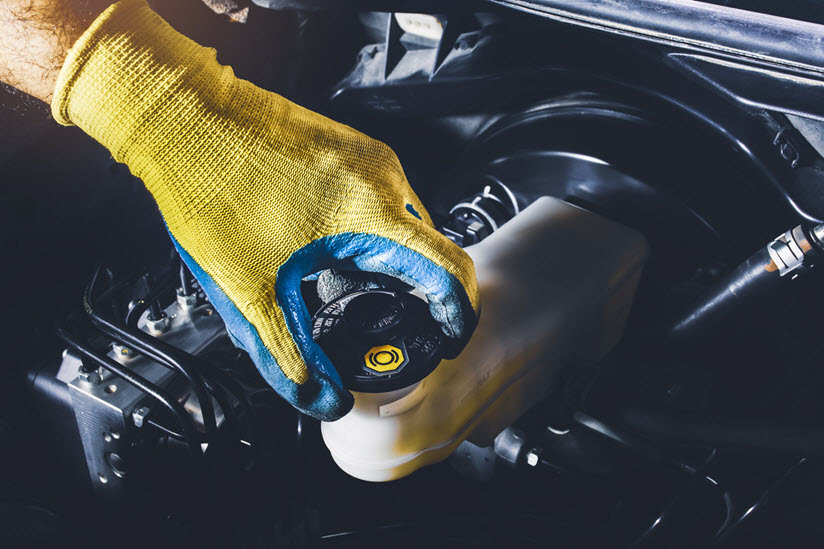
Brakes are the one system where waiting has no upside. None at all. There is a yardstick worth knowing: FMVSS 135, the federal standard new light vehicles are certified against, requires a stop from 100 km/h — 62 mph — within 70 meters, about 230 feet. That figure is measured on dry, high-grip pavement with everything in good order, which is the point. Your car is starting from there and working down — worn pads, glazed rotors and moisture-heavy fluid all eat into the margin, and Portland adds standing water on top. The distance you lose is not theoretical. It is the car in front of you.
We Service the Following Brands
At A&P Specialties we provide a distinct and wide variety of services for the following brands:
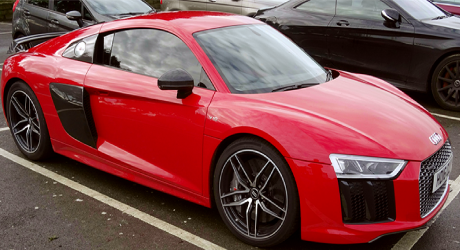
Audi
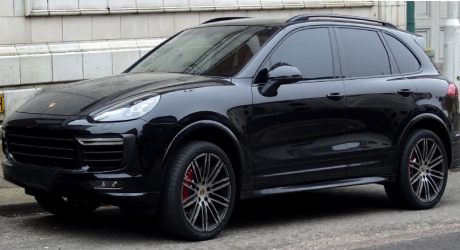
Porsche
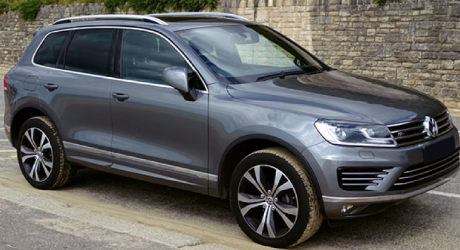
Volkswagen
The Noises Each Mean Something Different
A high-pitched squeal is usually the wear indicator doing its job — a small metal tab designed to contact the rotor and make an irritating noise so you book something. Annoying by design. Grinding is a different message entirely. The friction material is gone and metal is now contacting metal, which means whatever you were going to spend on pads has quietly become pads plus rotors, and the longer it goes on the more of the caliper joins the list. One noise you can ignore: a squeak on the first stop of a cold, damp morning that clears after two blocks is surface rust burning off. Normal here.
→ brake checks as preventative maintenance
A Shudder Under Braking Is a Deadline
Vibration through the steering wheel or the seat when you brake usually means the rotor surface is no longer flat — uneven wear or warping, often caused by pads left too long. Act early. The reason is economic. Caught early, a rotor can sometimes be turned back to a true surface instead of replaced. Left for another few thousand miles, it passes its minimum thickness and the only option is a new one. Same symptom, two very different invoices. Worth ruling out the impostor first. A vibration that turns up at a particular road speed whether or not you are braking is a wheel balance problem wearing a brake costume; judder from a rotor only shows up while the pedal is down.
Portland’s Hills Are a Real Brake Fade Risk
Brake fade is the loss of stopping power after repeated or prolonged use, caused by pads and rotors overheating until the friction material stops doing its job. Hills cause it. This region has plenty — the Sylvan grade on US-26, the drop into downtown off the West Hills, and anything involving Mount Hood. Use a lower gear on long descents so the engine does some of the work, and if the pedal starts feeling long, pull over and let them cool.
→ European auto repair near Beaverton
Fluid Is the Part of the System Nobody Checks
Brake fluid pulls moisture out of the atmosphere over years, and moisture lowers its boiling point — precisely the wrong property to lose halfway down a long descent. So a soft pedal on a car with plenty of pad left is often fluid, not friction. It gets tested, not guessed. Topping it up repeatedly is a warning, not a fix. Fluid that keeps going down is leaving the system somewhere, and a leaking brake line is not a wait-and-see item.
→ fluid inspection and replacement
Why a Specialist Matters on These Three Marques
Audi, Porsche and Volkswagen brakes are not generic. Wear sensors get replaced rather than reused once they have grounded, several models need the electronic parking brake put into service mode before a rear caliper will open, and pad compound affects both dust and stopping distance more than owners expect. Three marques, nothing else. That is why those steps are routine here rather than a reason to send the car somewhere.
Frequently Asked Questions
How do I know when my brakes need replacing?
Squealing or grinding noises, longer stopping distances, vibration when braking, a burning smell, or a pedal that has gone soft or travels further than it used to.
Is some brake noise normal?
A little, especially on a cold or wet first stop. Continuous squealing or any grinding is not normal and means worn pads, glazed rotors or something else that needs inspecting.
Can I just top off my brake fluid?
You can in the short term, but a level that keeps dropping indicates a leak in the system. It also has to be the correct fluid specification for your vehicle.
Can brake rotors be resurfaced instead of replaced?
Sometimes, if the shudder is caught before the rotor reaches its minimum thickness. Waiting removes that option, which is the main reason to book early.
Is it safe to drive with worn brake pads?
No. Thin pads cannot generate the friction needed to stop the car properly, and once they are gone you are damaging rotors and calipers as well.
Book Brake Service in Portland
Describe the pedal. Everything else we can measure. A & P Specialties is at 707 SE 82nd Ave in Portland’s Montavilla neighborhood, a RepairPal Certified shop with ASE Certified technicians, serving Audi, Porsche and Volkswagen drivers in