 Open 7:30 AM – 5:00 PM MON-FRI
 Located in the Montavilla Neighborhood 707 SE 82ND AVE. PORTLAND, OR 97216
 503-254-7310
Porsche Repair and Service in Portland
How a Porsche Is Parked Costs More Than How It Was Built
Quick Takeaways
- The lineage is real: Alan Blanchard trained on Porsche at Gateway Porsche/Audi starting in 1972 and opened this shop in 1985.
- The older cars are the owner’s own work: he still does the in-house teaching on them.
- Sitting still is the hard duty cycle: a car that lives under a cover ages by the calendar, not by the odometer.
- The coolant side is where the money is: plastic expansion tanks and brittle fittings are what turn a good week into a bad one.
- Check for certification: the FTC tells drivers to look for shops displaying seals such as Automotive Service Excellence. The technicians here are ASE Certified and the shop is RepairPal Certified.
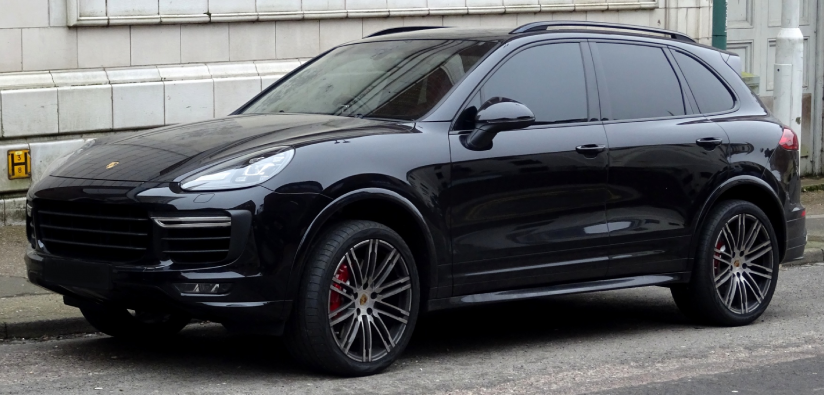
A lot of Portland Porsches are second cars. They sit through a wet December, get a couple of dry-weekend runs out the Gorge in spring, and then the owner wonders why something that was fine in October is suddenly dripping. Storage is the culprit more often than engineering is. A Porsche that spends eight months standing still ages in ways a Porsche that gets driven does not. The FTC’s guidance on picking a repair shop tells drivers to look for shops displaying an Automotive Service Excellence seal, since certification indicates some or all of the technicians meet basic standards of knowledge — while adding, fairly, that a seal on its own is no guarantee of good work.
We Offer Full Service for All Porsche
At A&P Specialties we provide a distinct and wide variety of services for whichever Porsche you drive. Come see is if you are in the Portland area and need service for your Porsche- including:

Porsche Diagnostics

Brakes

Engine Repair

Fuel System Service

Heating & Cooling

Hose & Filter Replacement

Muffler/Exhaust

SCHEDULED MAINTENANCE

Oil Changes

Preventative Maintenance

Radiators

Suspension

Timing Belt Replacement

Tires

Tune Up

Transmissions

Wheel Alignment

And Much More
Sitting Still Is Harder on a Porsche Than Driving It
Seals dry. Brake fluid pulls in moisture. Rubber lines stiffen, tires flat-spot, and the battery cycles down far enough to start annoying the modules. A car that covers four thousand miles a year in short bursts, mostly in the rain, ages differently from a car that covers four thousand miles in one summer. If your Porsche spends most of the year under a cover, the right schedule is time-based, and the fluids are the first thing to look at.
→ vehicle inspections for European cars
The Coolant Side Is Where the Expensive Surprises Live
On the water-cooled cars, the cooling system is the component group that turns a good week into a bad one. Plastic is the reason. Expansion tanks craze with age, pipes and fittings go brittle, and a low-coolant light that flickers once and clears is worth a pressure test rather than a top-up. A sweet smell after shutdown is a leak you cannot see yet. Find it cold, on a lift, before it finds you on the Sunset Highway grade.
Brakes on a Porsche Get Judged by Feel, Not by Looks
Porsche brakes throw dust. They look worn long before they are, which sends people in early and keeps others out too long. Judge it by the pedal instead: long travel, a shudder coming down the Terwilliger Curves, a pull under hard stops, or fluid that has quietly taken on moisture across three wet winters. Discs get measured against their stamped minimum rather than eyeballed through a wheel spoke.
A Soft, Wandering Car Is Usually Bushings and Mounts
Owners describe it as the car feeling “loose” after a few years of Portland pavement. Rarely the shocks alone. Control arm bushings, top mounts and worn ball joints let the geometry move under load, and the result is a car that tramlines on grooved sections of I-84 and wants a small correction every few seconds. Struts and bushings are a pair — fit one without checking the other and the car still wanders.
The Classic Work Is Why Some People Drive Across Town
Alan still does the teaching in this building on the older cars. That is where he started. He was hired as an apprentice at Gateway Porsche/Audi in 1972 and trained through Riviera Motors Wholesale, the Porsche and Audi distributor of the day, and fifty-plus years on the classics are still the part of the job he likes most. Older Porsches come here because somebody wants to work on them, which is a different proposition from a shop that will take one in.
Frequently Asked Questions
Do you work on classic Porsches?
Yes. The shop’s owner has worked on the marque since the early 1970s and still does the teaching on the older cars internally.
How often should a Porsche be serviced if I barely drive it?
On time rather than mileage. Fluids degrade, seals dry and batteries cycle down whether the car moves or not, so a low-mileage car still needs an annual look.
What does a low-coolant warning on a Porsche usually mean?
Something is leaking, even if nothing reaches the ground. The cheap outcome is a fitting or a tank; the expensive one is what happens if the level keeps falling unnoticed, so the light is worth a booking rather than a bottle of coolant.
Do you need the car for longer than a normal shop would?
Not usually. Parts availability drives it more than the work does, and you will be told at booking if something has to come in before the car does.
Is an independent shop cheaper than the Porsche dealer?
The difference worth caring about is who touches the car. Here it is one of three full-time technicians, every time, in a shop that works on three marques and nothing else.
Book a Porsche Appointment in Portland
Bring us the symptom. We will find the cause. A & P Specialties has been at 707 SE 82nd Ave in Montavilla since 1985, serving Porsche owners across
with rental cars, loaner cars by appointment and early bird drop off all available. If the car has been sitting all winter, say so when you book — it changes what gets looked at first.