 Open 7:30 AM – 5:00 PM MON-FRI
 Located in the Montavilla Neighborhood 707 SE 82ND AVE. PORTLAND, OR 97216
 503-254-7310
Preventative Maintenance in Portland
The Cheap Jobs That Stop the Expensive Ones
Quick Takeaways
- Oil is the anchor of the schedule: get that interval right and most of the rest falls into place around it.
- Tires rotated every 6,000 to 8,000 miles: fronts do most of the work turning, so they wear first.
- A maintenance inspection every 12,000 miles or once a year: whichever comes first.
- Keep the tires at the placard pressure: it is free, it is monthly, and the federal figures put it at up to 3% of your fuel economy.
- October is the month to do the wet-season items: wipers, tires, battery, lights. Before the rain, not during it.
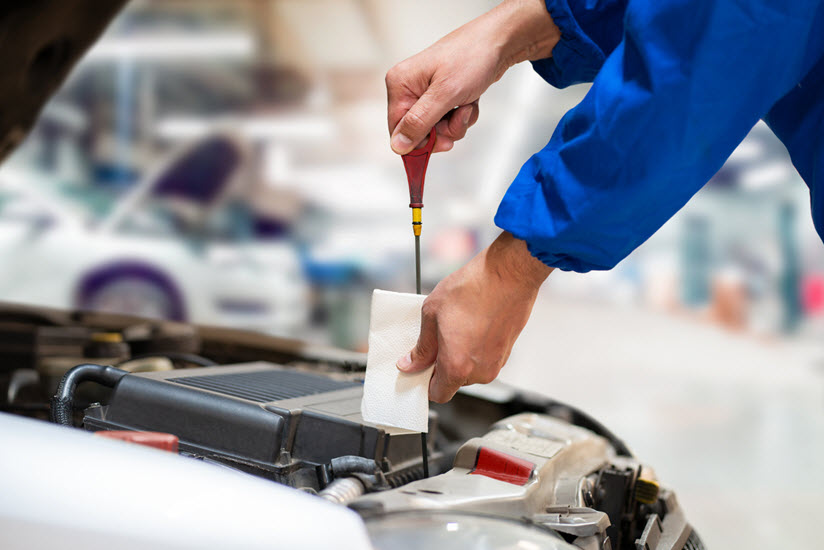
Preventative maintenance is unglamorous and it is the only thing that reliably works. The pitch is not complicated: replace and service the parts that are going to fail, before they fail, at a time you chose. What makes it worth writing down is that European cars punish neglect differently than most — not by breaking down early, but by turning a deferred small job into a large one through a chain of consequences. A tired serpentine belt does not just snap. Depending on the engine it takes the alternator, the power steering, sometimes the water pump, and your afternoon with it.
We Service the Following Brands
At A&P Specialties we provide a distinct and wide variety of services for the following brands:

Audi

Porsche

Volkswagen
The Cheapest Item on the List Is Tire Pressure
It costs nothing and almost nobody does it monthly. The federal figures put correct tire pressure at up to 3% of your fuel economy, averaging around 0.6%, and that is before you count the tire itself — a tire run soft wears its shoulders out and gets replaced early. Check it cold, once a month, against the placard in the door jamb rather than the number stamped on the tire sidewall. Two minutes.
Do the Wet-Season Items Before the Wet Season
Portland gives you a clear signal and most people ignore it. Late September into October is the window: wiper blades replaced rather than nursed through another winter, tire tread measured properly, battery checked, all lights checked. Wipers should be changed twice a year anyway, spring and fall. A battery that started fine all summer is a different proposition at 35 degrees, and the time to find that out is in the shop, not in a parking lot.
Fluids Are Where Deferred Maintenance Hides
Engine oil gets attention. Brake fluid, coolant, power steering fluid and transmission fluid mostly do not, and each one degrades on its own schedule regardless of how carefully you handle the oil. Brake fluid absorbs moisture from the air over years. Coolant loses its corrosion inhibitors. Transmission fluid shears down. Checking all of them together at one appointment takes very little extra time and is the single highest-value thing on this list.
The Intervals Worth Writing on a Calendar
Oil somewhere in the 3,000-to-7,500-mile band, set by oil type and how hard the car works. Tire rotation every 6,000 to 8,000 miles. A maintenance inspection every 12,000 miles or annually, and a battery check each spring and fall. Working figures, not gospel. Your owner’s manual carries the numbers for your model, and a car doing mostly short cold trips belongs at the short end of every one of those ranges.
→ battery testing and replacement
Why a Three-Technician Shop Suits This Work
Preventative maintenance depends on continuity. Someone has to remember that your Golf’s coolant looked marginal last spring, or that the rear pads measured thin in March. With three full-time technicians and a service manager working on three marques, that memory exists here. Your file stays in one building rather than moving between whoever is on shift.
Frequently Asked Questions
How often should I do preventative maintenance on my car?
Follow your manufacturer’s schedule. As working figures, that generally means oil every 3,000 to 7,500 miles, tire rotations every 6,000 to 8,000 miles, and inspections every 12,000 miles or annually.
What does a preventative maintenance service include?
Oil and filter, tire rotation and condition check, brake inspection, fluid checks and top-offs, air and cabin filters, battery test, and a look at belts and hoses.
Does a new car need preventative maintenance?
Yes. New cars have service schedules for the same reason older ones do, and a complete history is worth real money when you come to sell.
Can preventative maintenance really improve fuel economy?
Yes, measurably. Correct oil grade is worth 1–2% and correct tire pressure averages about 0.6%, and a fault-free engine burns less than one running on a degraded sensor.
What should I do first if I have let the schedule slide?
Book an inspection rather than guessing at a list. It is cheaper to find out what actually needs doing than to work through the schedule from the top.
Book Scheduled Maintenance in Portland
Get ahead of the winter rather than reacting to it. Since 1985, A & P Specialties has been at 707 SE 82nd Ave in Montavilla, a RepairPal Certified shop with ASE Certified technicians, looking after Audi, Porsche and Volkswagen drivers in
There is an early bird drop off if mornings are easier. Get it in before the rain properly sets in.